Nearly 6 in 10 Singaporeans aren’t sleeping well because of COVID-19, study confirms
Advertising
Wellness
Nearly half-dozen in 10 Singaporeans aren't sleeping well considering of COVID-nineteen, study confirms
This World Sleep Day (Mar nineteen), find out how nosotros ranked in a global study during COVID-19 times – and what we badly Googled to try and take hold of some zzzs.
(Photo: Freepik/wavebreakmedia_micro)
19 Mar 2022 06:30AM (Updated: 08 Aug 2022 02:42PM)
Past now, you would have heard that Singaporeans are some of the almost sleep-deprived people in the world.
Hither's a recap: We are the 3rd most sleep-starved population, subsequently Tokyo and Seoul, in a 2022 survey of 43 cities. And in a more recent online poll conducted in 2022 beyond 12 countries, Singapore took the second spot subsequently Britain.
And so, how did Singapore rank during the uncertainties of COVID-xix? Surely, losing slumber most nights, worrying about our health, family, finances, managing work from habitation arrangements, and now, convincing the elderly at abode to go for their vaccinations would have catapulted the states to the height spot?
On the contrary, we've slipped downwardly the leaderboard to the fourth place after Japan, the US and the Great britain in the 2022 global sleep survey past Philips. The findings on thirteen,000 adults in 13 countries, of which 1,000 are from Singapore, were released to coincide with Globe Slumber Day on Mar 19.
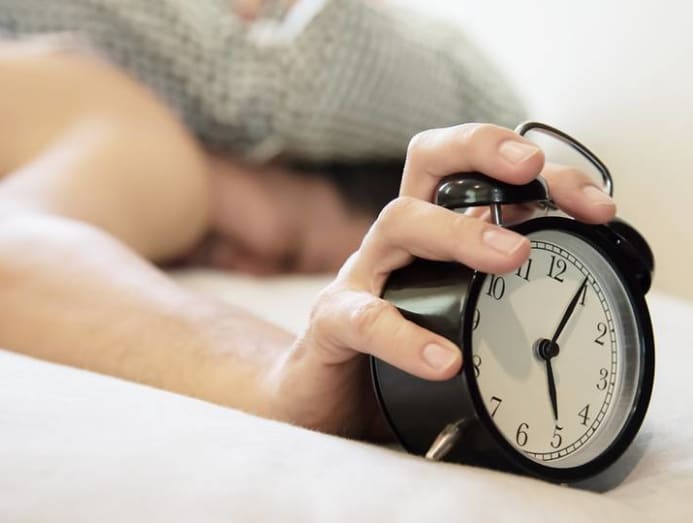
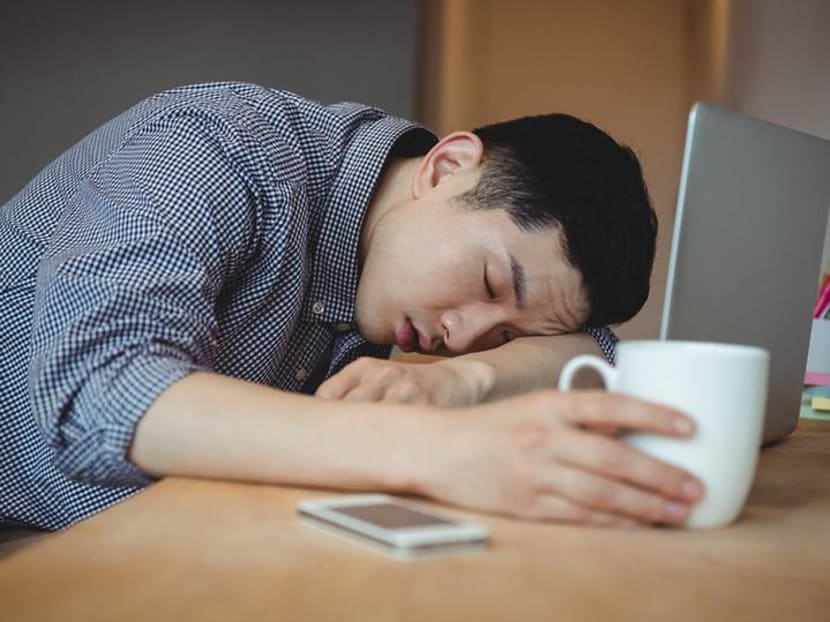
But here's the catch: It doesn't mean nosotros're sleeping better. In fact, close to 60 per cent of Singaporeans' ability to slumber well has been straight impacted by the pandemic. And more than a third experience negative impact on their stress levels, ability to sleep well, mental/emotional health, sleep and piece of work routines.
MORE HURDLES TO A GOOD Nighttime'S SLEEP
Close to 3 in 10 Singaporeans say that they now sleep less each night. More than specifically, Singaporeans average 6.8 hours of sleep per night, down from seven hours during the previous survey released in 2020. According to the National Sleep Foundation, those aged 18 to 64 need vii to nine hours of sleep.
We're even so sleeping less on weekdays – and even less so during the pandemic, averaging 6.six hours on weekdays (versus 6.7 hours in 2020) and 7.3 hours on the weekend (versus vii.5 hours in 2020).
READ: Why snoring loudly could exist linked to heart affliction, hypertension or worse
It is no wonder that only less than half of the respondents in Singapore feel that they get plenty slumber at night, and only 21 per cent experience well-rested most of the time when waking upwardly in the morning.
If you lot're trying to make it more slumber by going to bed early, hither's a tip: Don't have a window of time just fix specific times for sleeping and waking, said Dr Han Hong Juan, consultant ear, nose and throat (ENT) surgeon and medical director of The ENT, Voice & Snoring Clinic at Mount Elizabeth Infirmary.
"Every bit a get-go, gradually program your slumber schedule progressively earlier, for example, xi.45pm, then xi.30pm, until you hit your target bedtime," he said.
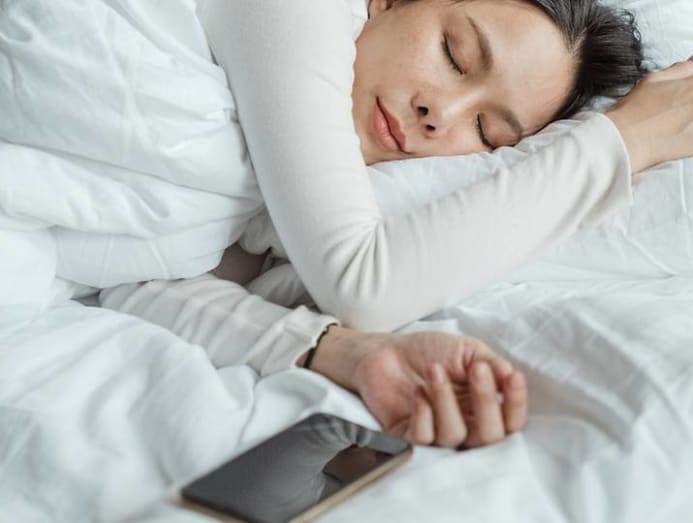
Sleep duration aside, Singaporeans' sleep quality is as well a nightmare. Co-ordinate to the same Philips survey, which was conducted from Nov 17 to Dec 7, 2020, 40 per cent reported waking up during the night.
Where they previously had no problems, 35 per cent at present have difficulties falling asleep; meanwhile, 21 per cent began having problems sleeping through the dark.
What can you exercise if you often wake up in the middle of the night? "If you still fail to fall asleep after 20 to thirty minutes, get out of bed and practise something calming (for example, listen to relaxing music) until you feel drowsy to slumber over again," suggested Dr Han.
READ: Are y'all grinding your teeth? You could be stressed or have a sleeping disorder
While more 1 in 10 Singaporeans are still being kept awake past their mobile phones and tablets, and their sleep surroundings (sixteen per cent), stress is at present the biggest sleep disruptor for more than i third of the respondents.
And stress comes in the form of work responsibilities for nearly six in x people, financial challenges for more one-half, family unit issues for a third, and their own/family'southward health for three out of 10 Singaporeans.
To help y'all fall asleep better, Dr Han recommended penning your worries and troubles in a journal to avoid ruminating about them in bed. Too, effort leaving at least a couple of hours between eating and going to bed, he added.
Do YOU HAVE INSOMNIA?
You lot might have hazarded a guess that indisposition rose during these unprecedented times and indeed information technology did. Twenty-seven per cent of Singapore adults – which went upwardly from the 25 per cent in final year's survey – currently experience insomnia as a medical condition that impacts their slumber.
Of these insomniacs, the largest group – nigh a third – came from those between the ages of 35 and 49.
Interestingly, nearly half of insomniacs besides have obstructive sleep apnoea, a slumber disorder where your air flow is momentarily cut off by collapsed throat muscles.
"If you lot experience a persistent inability to fall asleep and consistently have a expert night'southward residue, y'all should definitely see a doctor," said Dr Han.
"This is particularly so if you experience daytime fatigue, and have difficulty staying awake or doing routine tasks. It could exist an underlying sign of a sleep condition like insomnia or obstructive slumber apnea, which needs to be treated."
STEPS TO BETTER Sleep
Singaporeans aren't taking the sleeplessness lying down. The survey plant that when it comes to improving sleep, more than a quarter of the respondents take a bedtime/wake-up schedule.
Meanwhile, 22 per cent cut downwards on caffeine consumption, 19 per cent turned to reading or soothing music, and one in 10 used sleep trackers or monitored their sleep. And while we're not sure watching Goggle box helps with sleep, nearly a quarter did that.
"Watching Telly is non recommended equally the glare and blue light from the television is counteractive to falling asleep," said Dr Han. "In fact, it can make yous more awake and warning, especially if you're watching action or fast-paced shows."
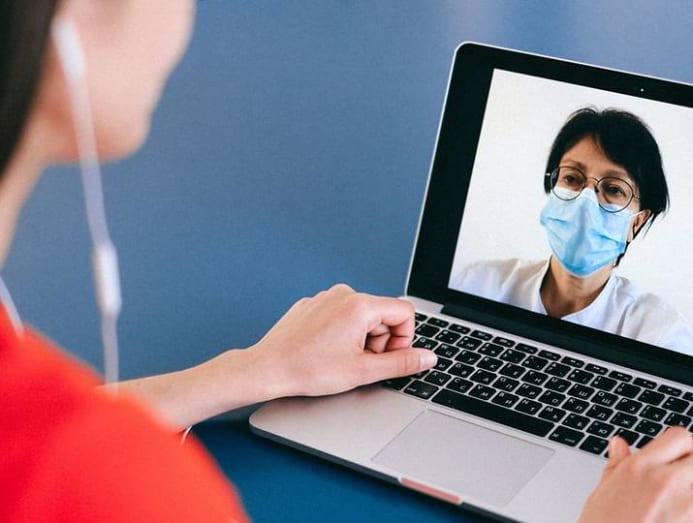
Another motility that many Singaporeans have made is to turn to telehealth for solutions to their sleep problems. Over half had their first telehealth appointment during the pandemic. 4 in 10 were willing to give telehealth a go for sleep-related concerns in the future from a sleep specialist.
READ: Tin't sleep at night, dozing off in the day – information technology could point to bigger health problems
The need to tackle underlying slumber issues is also making Singaporeans more than open up to seeing a sleep specialist (41 per cent), and primary intendance doctor (39 per cent) in person.
With all that time on our hands during the circuit breaker catamenia, it'southward no wonder that many Singaporeans turned to the Net for the answers. In fact, search engines such as Google were the most-used resource past more a quarter to learn about slumber and/or slumber treatments.
So what did we Google? The study showed that seven out of 10 Googled slumber and/or treatments for the first time during the pandemic, lx per cent visited online health websites such as WebMD, while nearly half used online quizzes.
Family members and online forums/social media platforms are the second- and third-most used resources respectively. The survey found that 17 per cent of Singapore adults relied on their families, and 14 per cent used online forums/social media to acquire more than about their sleep issues.

Recent Searches
Trending Topics
Source: https://cnalifestyle.channelnewsasia.com/wellness/sleep-tips-insomnia-singapore-philips-global-survey-237866
0 Response to "Nearly 6 in 10 Singaporeans aren’t sleeping well because of COVID-19, study confirms"
Post a Comment